

 Natural Supplements
  Amino Acid
  Cosmetic Ingredients
  Natural Flavors
  Enzyme
  Bio-based Monomer
  Bio-based Material
  Nutrition
  Food
Food  Cosmetics
  Product News
  Company News
  Synbio Industries
Product Overview
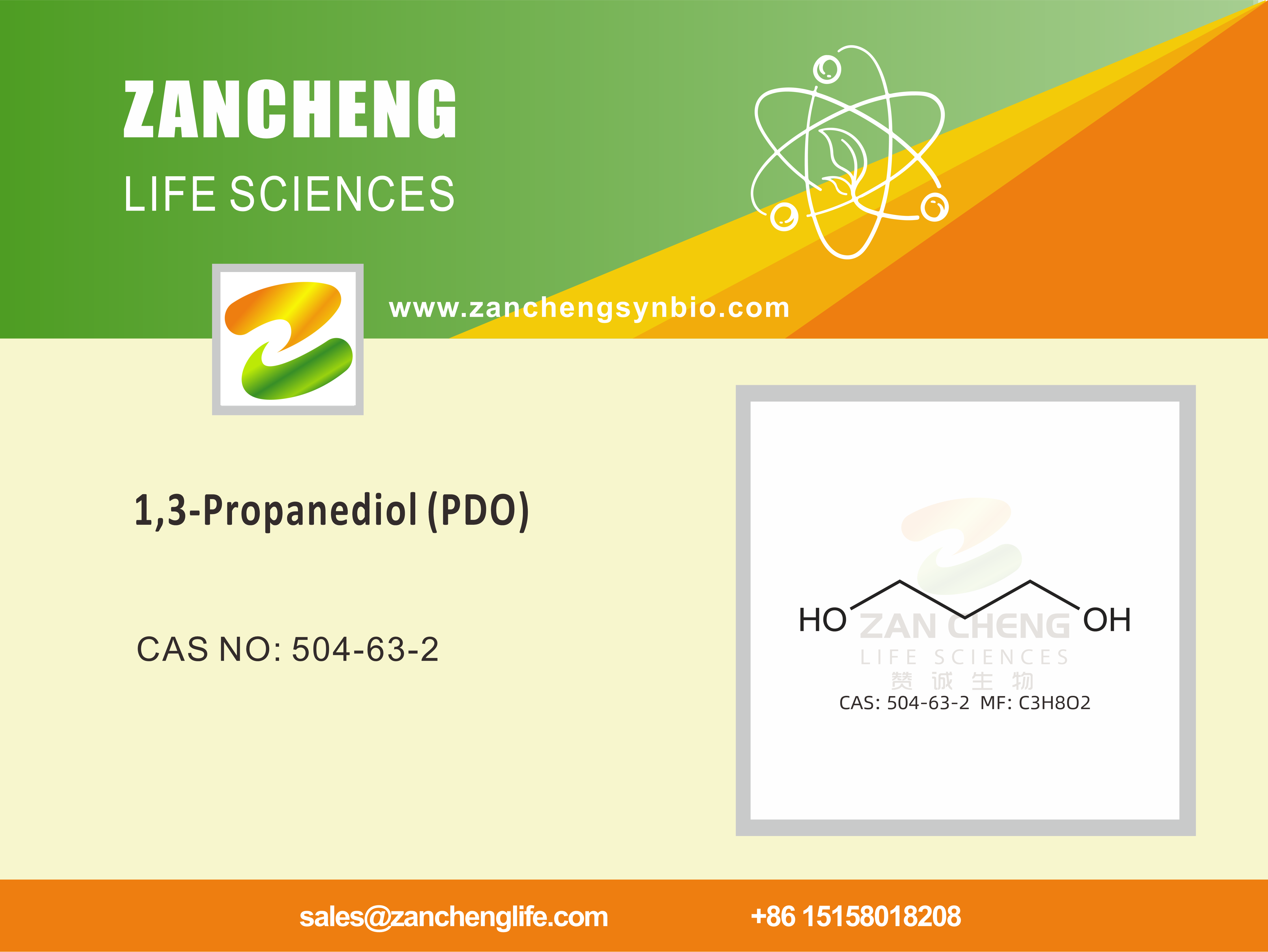
As one of the fastest-growing functional ingredients in the personal care and cosmetics industry, 1,3-propanediol has gradually become an upgraded alternative to traditional glycols due to its mildness, sensory elegance, and sustainable sourcing.
Production Routes
Petrochemical route: Synthesized from ethylene oxide and related feedstocks
Bio-based route: Produced by microbial fermentation of renewable sugars such as corn glucose
Among them, bio-based 1,3-propanediol is increasingly preferred in personal care applications, aligning with “Clean Beauty” and sustainable supply chain trends.
Key Physicochemical Properties
Colorless, transparent liquid
Nearly odorless
Strong hygroscopicity
Low irritation and low sensitization risk
Fully miscible with water and many solvents
Key Application Areas

Personal Care & Cosmetics
In cosmetic formulations, 1,3-propanediol functions as a multifunctional humectant and solvent, widely used in:
Creams & lotions
Serums & essences
Toners
Facial masks
Sunscreen products
Shampoos & conditioners
Body washes
Color cosmetics
Primary Functions
Niacinamide
Botanical extracts
UV filters
Preservative systems
Reduced preservative dosage
Improved formulation mildness
Support for “low-preservative” or “preservative-reduced” claims
Pharmaceutical & Topical Preparations
Solvent
Penetration enhancer
Moisturizing base
Polymer & Industrial Applications
PTT (Polytrimethylene Terephthalate)
Engineering plastics
Elastic fibers
PTT fibers are valued for their resilience and dyeability in textile applications.
Product Advantages
Excellent Mildness & Safety
Low irritation potential
Low sensitization risk
Suitable for sensitive skin and baby care
Compliant with global cosmetic regulations
Superior Moisturization Performance
Strong moisture retention
Long-lasting hydration
Lightweight, breathable skin feel
Outstanding Formulation Compatibility
Fully miscible with water and alcohols
Compatible with emulsions, gels, and aqueous systems
Stabilizes a wide range of actives
Preservative System Enhancement
Boosts phenoxyethanol efficacy
Enhances organic acid preservation
Supports low-preservative formulations
Sustainability Value
Renewable raw material sourcing
Lower carbon footprint
Alignment with ESG and green procurement standards
Differentiated Advantages vs. Conventional Glycols
Simplified Competitive Comparison
| Key Criteria | 1,3-Propanediol (PDO) | Propylene Glycol | Butylene Glycol | Glycerin | Pentylene Glycol |
| Mildness | ★★★★☆ Low irritation | ★★☆☆☆ | ★★★☆ | ★★★★ | ★★★★ |
| Moisturizing Ability | ★★★★ | ★★★ | ★★★★ | ★★★★★ | ★★★★ |
| Sensory Freshness | ★★★★☆ Light, non-sticky | ★★★ | ★★★ | ★★ Heavy | ★★★★ |
| Preservative Boosting | ★★★★ | ★★ | ★★★ | ★ | ★★★★ |
| Sustainability | ★★★★☆ Bio-based available | ★ | ★ | ★ | ★★ |
Summary of Competitive Benefits
Higher mildness: Suitable for sensitive and baby care products
Better sensory profile: Lightweight, non-tacky feel
Multifunctionality: Humectant + solvent + preservative booster
Sustainable positioning: Supports bio-based and eco claims
As a result, PDO is evolving from a glycol alternative into a preferred multifunctional base ingredient in premium formulations.
Future Outlook

Expansion of Green Ingredient Adoption
Reduce production costs
Increase supply capacity
Accelerate market penetration
Growth in Premium Personal Care
Sensitive skin care
Baby care
Post-procedure skincare
Functional dermocosmetics
Minimalist Formulation Trend
Moisturization
Solubilization
Preservation boosting
Cross-Industry Potential
Bio-based plastics
Biodegradable materials
Medical polymers
Green solvent systems
Conclusion
Its multifunctional benefits in hydration, solubilization, preservative enhancement, and green positioning make it not only an upgrade to traditional glycols, but also a critical driver of innovation toward safer and more sustainable cosmetic products.
Zancheng Life Sciences: Your Reliable Supplier of High-Quality 1,3-Propanediol
We can supply bio-based PDO from different origins depending on your needs:
Produced from corn glucose.
Produced from Glycerol source (offering both palm oil-free glycerin and palm oil-derived glycerin options).
Both ways are through biological fermentation, ensuring the material is natural, pollution-free, and fully biodegradable compared to traditional petrochemical synthesis methods.
If you are seeking high-performance raw materials, or if you wish to learn more about our product details and technical documentation, please do not hesitate to contact us!


